

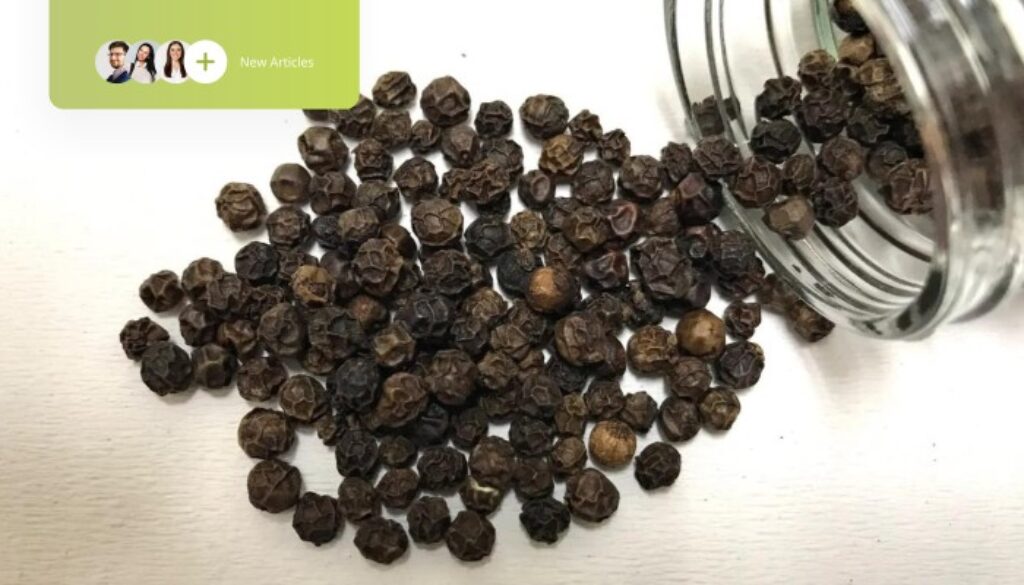
Complete Guide to Importing Black and White Pepper from Indonesia
Indonesia is one of the world’s largest producers of black and white pepper, supplying premium-quality spices to global markets. For importers, sourcing pepper from Indonesia offers competitive pricing, consistent supply, and diverse product grades. This guide outlines the essential steps to successfully import black and white pepper from Indonesia.
1. Understanding Indonesian Pepper Varieties
Indonesia is well known for high-quality black pepper and white pepper produced in regions such as Lampung, Bangka, and Kalimantan. Black pepper is valued for its strong aroma and pungency, while white pepper is preferred for its clean appearance and mild flavor. Understanding these differences helps importers choose the right product for their target market.
2. Selecting a Reliable Exporter
Choosing a trusted Indonesian exporter is critical. A professional exporter should be legally registered, experienced in international trade, and able to provide clear product specifications. Request product samples, quality certificates, and detailed pricing before finalizing any agreement. Reliable exporters also offer transparent communication and flexible contract terms.
3. Quality Standards and Specifications
Imported pepper must meet international quality standards, including limits on moisture content, foreign matter, and microbial contamination. Importers should confirm grading standards, cleanliness, and packaging methods. Vacuum-sealed or food-grade packaging is recommended to preserve freshness and quality during transit.
4. Export Documentation and Compliance
Proper documentation is essential when importing agricultural products. Common documents include a commercial invoice, packing list, certificate of origin, phytosanitary certificate, and bill of lading. An experienced exporter will manage these documents and ensure compliance with the import regulations of the destination country.
5. Shipping and Logistics Options
Black and white pepper are typically shipped by sea in containers, although air freight may be used for urgent or smaller shipments. Discuss shipping terms such as FOB or CIF with your exporter. Proper container loading and moisture control are crucial to prevent damage during transit.
6. Pricing, Payment, and Risk Management
Pricing depends on quality grade, volume, and market conditions. Common payment methods include telegraphic transfer (T/T) and letters of credit (L/C). To reduce risk, importers should clearly define contract terms, inspection procedures, and dispute resolution mechanisms.
Importing black and white pepper from Indonesia can be highly profitable when managed correctly. By working with reliable exporters, ensuring quality compliance, and understanding logistics and documentation requirements, importers can build a stable and successful supply chain for Indonesian pepper in the global market.